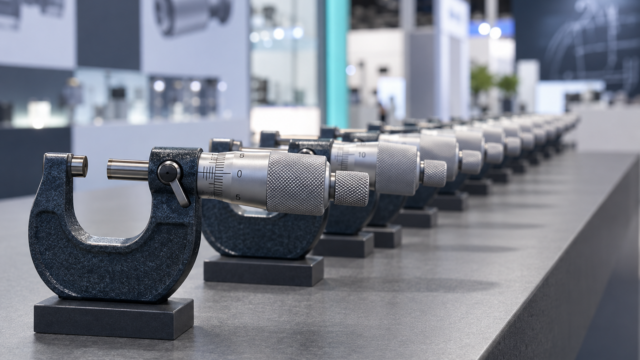
40 Identical Micrometers: Bind Records to the Serial
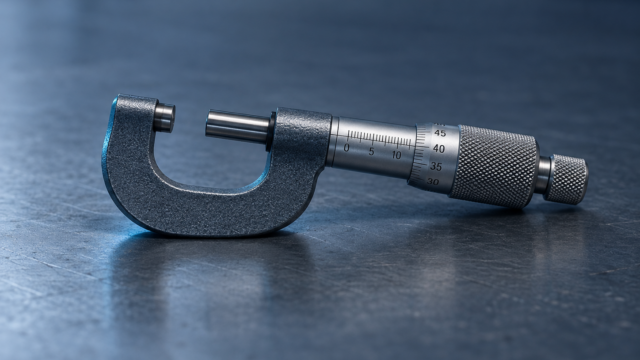
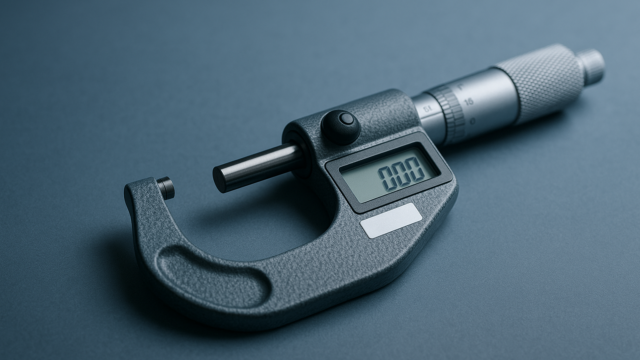
You standardized on identical micrometers. When a recall asks which unit measured the part, model-level records can't answer. Fix it at the serial.
You standardized on identical micrometers. When a recall asks which unit measured the part, model-level records can't answer. Fix it at the serial.
One micrometer answers ISO 9001, IATF 16949, AS9100 and ISO/IEC 17025. Keep one evidence set per instrument instead of four that drift apart.
A spreadsheet can't prove who moved a calibration due date, or when, or why. How record data integrity holds up under ISO 9001 and 17025 scrutiny.
Access can flag a gauge overdue in red, but it can't stop anyone using it. Why configurable hard-block vs soft-warning control closes the audit finding.
Your Access calibration DB lets anyone edit a past result with no trace. Here's why that's an audit finding waiting to happen — and how to migrate safely.
Your Access calibration DB logs pass/fail but not as-found/as-left. Here's why auditors ask for it, and how to migrate without losing history.
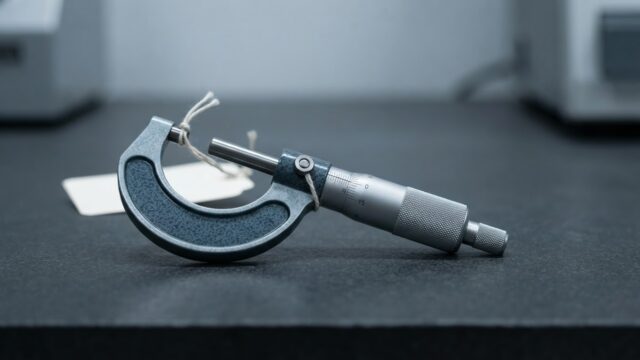
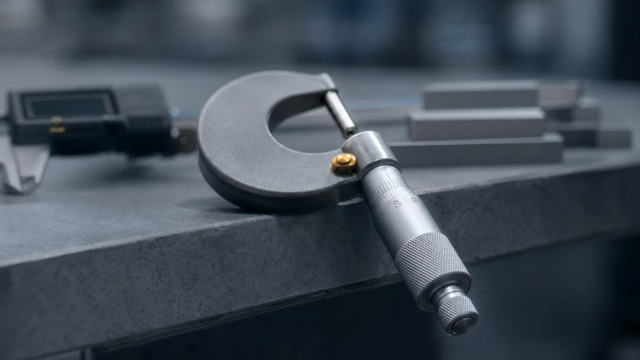
A dropped micrometer keeps signing off parts while its sticker reads current. Here's the out-of-service step ISO 9001 7.1.5 actually expects.
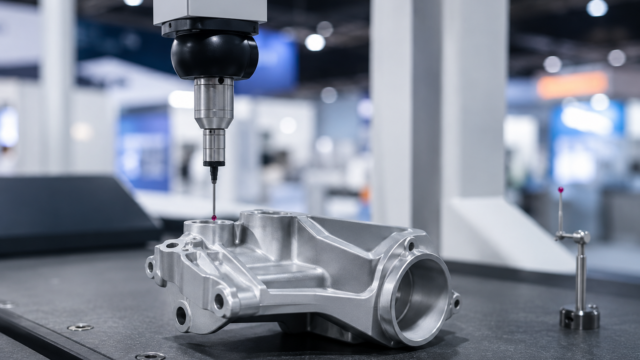
The autonomous CMM on the IMTS floor measures to microns. It still won't tell you when it's due, where it went, or where the certificate is. Close the gap.
One overdue micrometer on any floor is one nonconformity. See how a single multi-site overdue view and configurable blocking survive a group audit.
A major calibration nonconformity starts a 15-day IATF response clock. Close it with equipment records you already have — not a panic rebuild.