The 15-Day NC Clock: Close a Calibration Finding Fast
A major calibration nonconformity starts a 15-day IATF response clock. Close it with equipment records you already have — not a panic rebuild.
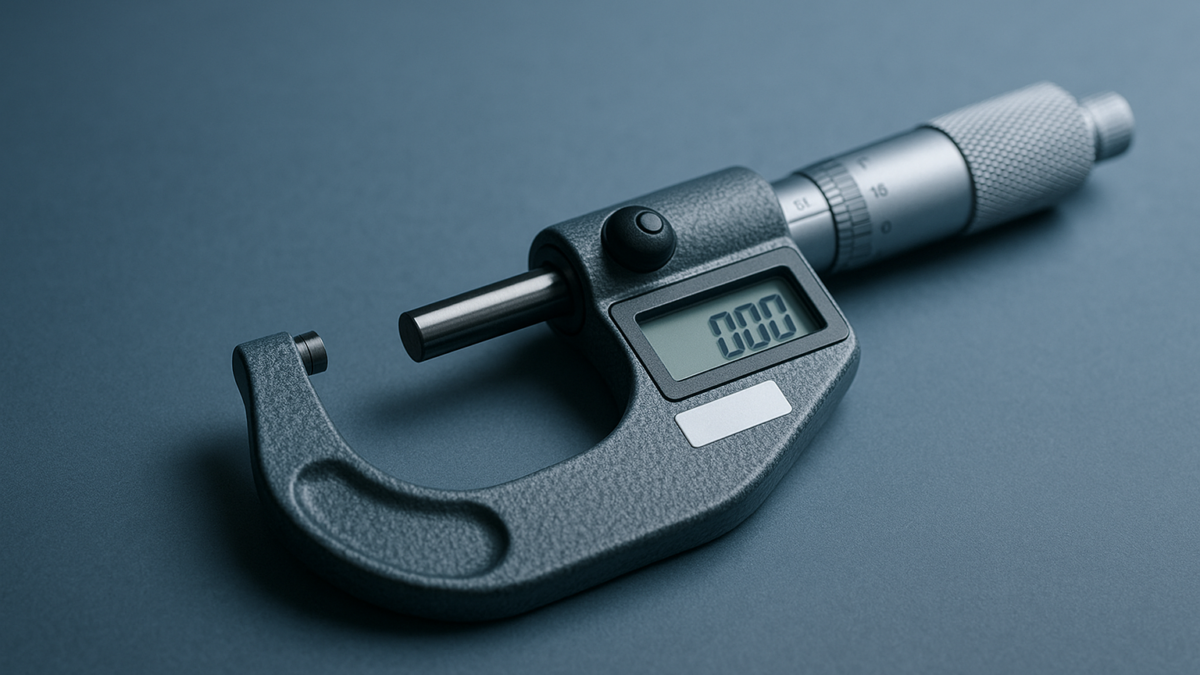
The auditor slides the finding across the table and reads it out loud: a 0–25 mm digital micrometer, used on a safety-critical bore diameter, was found 40 days past its calibration due date. There is no record it was pulled from service, and no assessment of what it measured in those 40 days. It is written up as a major nonconformity. Priya, the quality engineer, already knows what the next sentence means before the auditor says it. The clock has started.
Under current IATF 16949 practice, a major nonconformity does not give you a comfortable quarter to think. Your certification body expects a documented response — containment, correction, root cause, and a corrective action plan — inside roughly 15 calendar days of the finding being raised, with full corrective action typically due by 60. The 15-day window is the one that hurts, because it is too short to build anything. It is only long enough to retrieve what already exists.
That is the real nature of the test, and most teams misread it. They treat a nonconformity as a writing exercise: someone will draft a strong 8D, quote the clause, and talk the auditor down. But the auditor is not grading your prose. They are checking whether your quality system already held the evidence, on the day the instrument slipped, that lets you bound the risk. If the records exist, 15 days is generous. If they do not, 15 days is not enough time to invent a defensible history, and you know it.
What the standard actually asks for
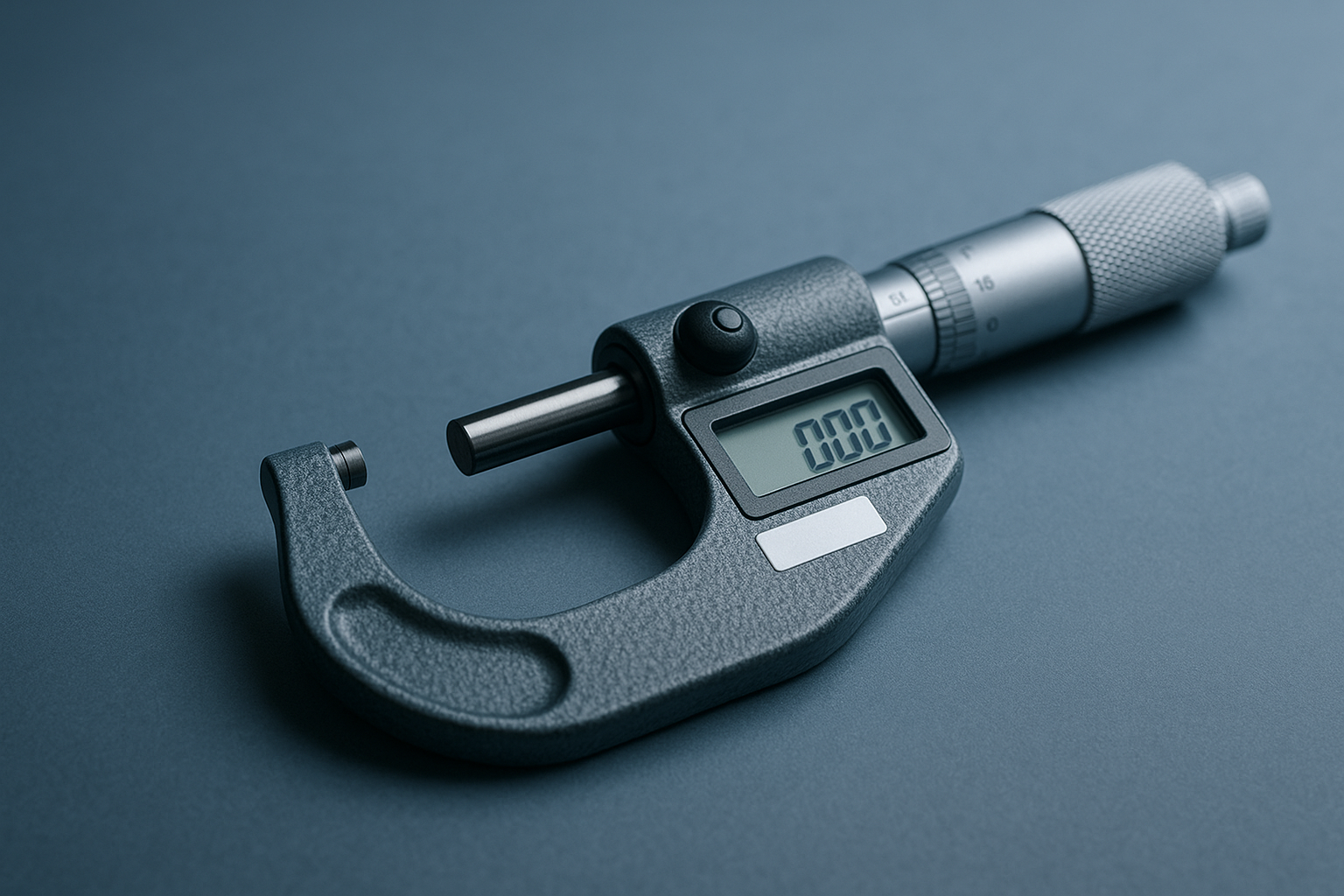
The underlying requirement is ISO 9001 clause 7.1.5, carried into IATF 16949: monitoring and measuring resources must be suitable, maintained, and — critically — traceable, with their calibration status identifiable, and with defined action when equipment is found to be out of calibration. That last part is the trap in Priya’s finding. The clause does not merely say "calibrate on schedule." It says that when you discover an instrument was not fit for use, you must assess and record the validity of previous results obtained with it, and act on the product and process affected.
So the auditor’s real question is not "why was this micrometer overdue?" It is "what did this micrometer measure between its last good calibration and today, and how do you know those parts are conforming?" A 15-day response that cannot answer that second question is not a response at all. It is an admission.
Why the window is a records test, not a corrective-action test
Consider what a complete containment for this finding requires. You need the instrument’s full history: last as-found/as-left calibration result, the due date and the rule that set it, every job or check-out the tool touched since that last good calibration, and the certificate proving the reference standard behind it was itself traceable. From that you build reverse traceability — the list of parts and lots the suspect micrometer verified — and you quarantine or re-inspect them.
None of that is writing. All of it is retrieval. And retrieval is exactly what a spreadsheet-and-paper system fails at under time pressure. The calibration date lives in one file, the check-out log in a technician’s notebook, the certificate in a shared drive nobody has touched since the last audit. Reconstructing the possession trail from memory in 15 days is how a single overdue tool becomes a systemic finding about your whole measurement-management process — which is a far worse write-up than the original slip.
The worked example, closed properly
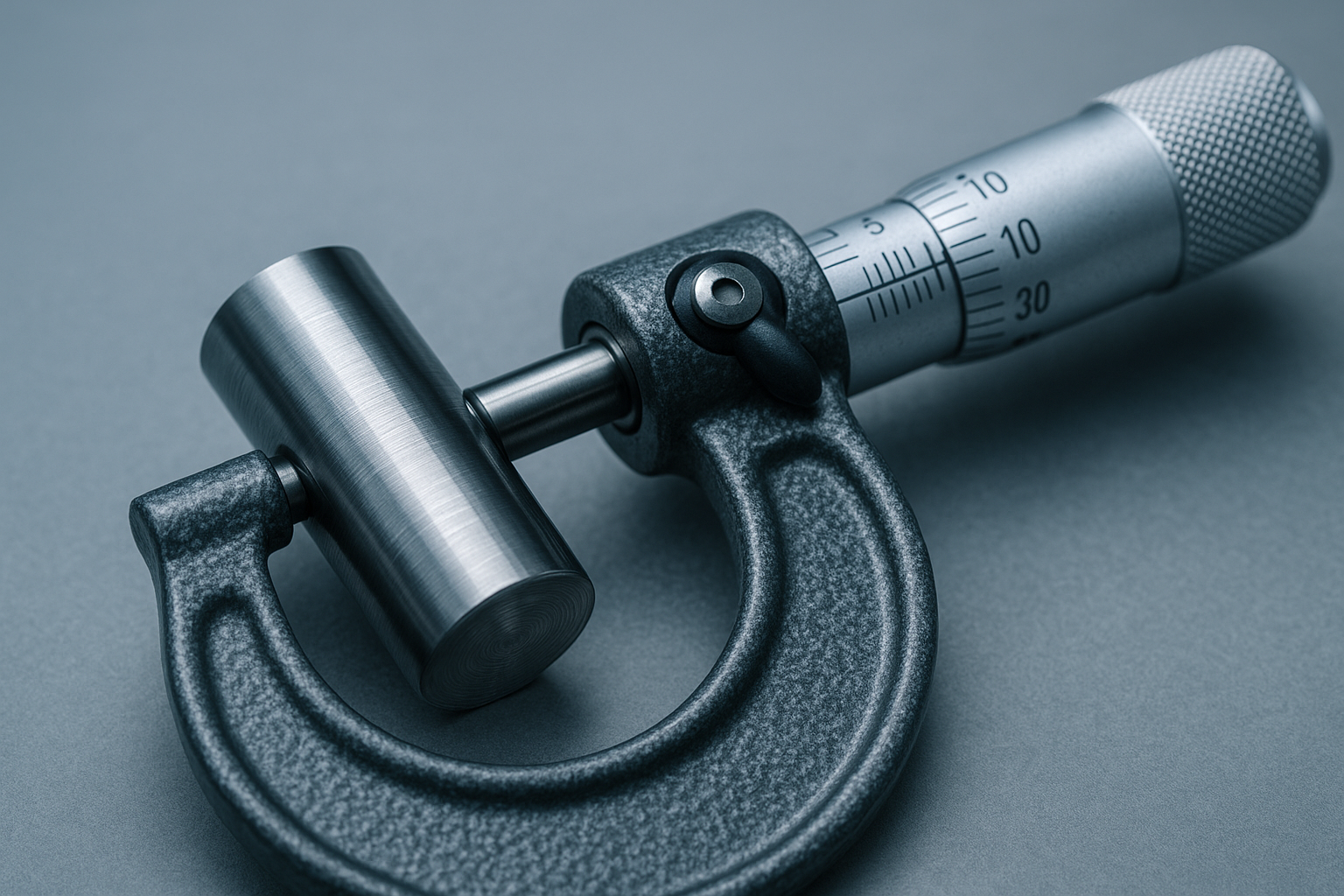
Here is Priya’s response when the records already exist. Day one, she opens the instrument’s page. The as-found result from its last calibration is on file with the certificate attached, so she can state the tool was within tolerance at its last verified point. The system shows the due date was auto-calculated from that calibration and the assigned frequency — this removes the "who forgot to set the date" argument entirely, because no human set it. The possession trail lists every check-out and allocation in the overdue period: three jobs, all on the same bore feature, all on one production line.
That gives her a bounded, not open-ended, exposure. She quarantines those three lots, re-measures a sample with a confirmed in-tolerance micrometer, and records the as-found readings. Where they conform, she documents it; where they don’t, she extends containment. Root cause is now honest and narrow: the overdue block was configured as a soft warning on this instrument class, so the tool was still selectable at check-out. Corrective action is a one-line configuration change — move that class to a hard block — plus evidence it now prevents re-issue. She exports the whole chain, certificate included, as a single audit-ready PDF. Total elapsed time: an afternoon, not 15 days.
The difference between those two versions of Priya is not diligence or talent. It is whether the record existed before the finding.
How PrüfMittel makes the response already exist
PrüfMittel is built so that the 15-day clock is spent retrieving, not rebuilding:
- Auto-calculated due dates derive each calibration due date from the recorded calibration and the assigned frequency, so status is never a manual entry an auditor can dispute.
- Configurable overdue blocking lets you set a hard block on safety-critical instrument classes so an overdue tool cannot be checked out at all — closing the exact gap that caused Priya’s finding — while less critical classes stay on a soft warning.
- Full possession audit trail records every check-out, allocation, and location change, so reverse traceability — what the instrument measured and when — is a query, not an investigation.
- Pass/fail records with certificates keep the as-found/as-left result and its traceable certificate attached to the instrument, ready to prove the last known-good point.
- Audit-ready PDF reports assemble the instrument history, status, and evidence into one document you can hand to the auditor within the window.
A 15-day readiness checklist
- Can you show each instrument’s last as-found/as-left result and certificate in under a minute?
- Is every due date system-calculated from a calibration event, not typed in?
- Can you list everything a given instrument measured since its last good calibration?
- Are safety-critical instruments hard-blocked from check-out when overdue?
- Can you export one instrument’s complete history as a single PDF, today?
If you answered "no" to any of these, the 15-day clock is a risk you are carrying, not a deadline you are ready for.
Closing
A nonconformity is not the failure. Discovering, mid-response, that the evidence to close it was never captured — that is the failure. The quiet goal is to make the 15-day window boring: a retrieval, an export, a documented containment, and back to work. If you want to see how your equipment history would hold up against a real finding, take one overdue instrument and try to reconstruct its last 40 days. PrüfMittel is built to make that reconstruction unnecessary.