Open Calibration Work Orders on Cutover Day
A torque wrench half-calibrated, gauges at a vendor, a height gauge on the floor. How to move calibration records without a custody gap at cutover.
"We’ll freeze the old system Friday night and go live Monday." Every migration plan I have read contains a sentence like that, and every one of them is quietly assuming the lab will be empty on Friday night. It never is.
On a real cutover day there is a torque wrench on the analyser with as-found readings taken and adjustment not yet done. There is a tray of thread plug gauges at an external provider, shipped on a work order that exists only in the old database. There is a technician who checked customer data out to a laptop for a field job and has not synchronised it back. And there is a height gauge on a granite plate in machining cell 4, allocated to a shift that has no idea a migration is happening.
None of these is a data-quality problem. The records are fine. The problem is custody: for a few days, two systems can each believe they are the authority on where an instrument is and what state it is in — or, worse, neither does. If an auditor samples one of those instruments in your Q1 2027 surveillance visit, the question is simple: show me the unbroken chain from as-found to release. This article is about making sure you can.
Why this matters more this quarter
If you run MET/TEAM 3.3.0 or 3.3.1, Fluke’s own published support schedule lists phone and email support for those versions as ending in December 2026; patches for 3.3.x had already stopped. Read your own vendor lifecycle notice for the details that apply to your contract — but the practical consequence is that many labs will cut over, by upgrade or by migration, in the same compressed window as year-end shutdowns and budget freezes. Fluke has done a good job with MET/CAL, and an in-place upgrade to 3.4.x is a perfectly legitimate path. The in-flight problem applies to both paths; a migration just makes it bigger, because the target system is a different product with a different data model.
The four states an instrument can be in at cutover
The first step is to stop thinking of "open work orders" as one list. In my experience they fall into four states, and each needs a different rule.
| State at freeze | Example | Rule | Evidence that must exist afterwards |
|—|—|—|—|
| On the bench, mid-procedure | Torque wrench: as-found recorded, not yet adjusted | Finish in the system where it started, or void and restart in the new one. Never split one calibration event across two systems. | One complete event: as-found, adjustment, as-left, certificate, technician, standards used |
| At an external provider | Thread plug gauges at an accredited sub-contractor | Migrate the open order as an open record with shipment date and provider; receive it in the new system | Shipment in old record, receipt and certificate in new record, linked by the same asset ID |
| Checked out to a field laptop | Customer data synchronised out for on-site work | Force sync-back before freeze; no new check-outs in the final week | Old system shows sync-back timestamp before freeze |
| Allocated to a user or location | Height gauge on the shop floor | Migrate current possession as the opening entry of the new audit trail | Last old-system location matches first new-system location |
The table is the reusable part. Print it, add your own examples, and walk the lab with it two weeks before freeze.
Worked example: the torque wrench
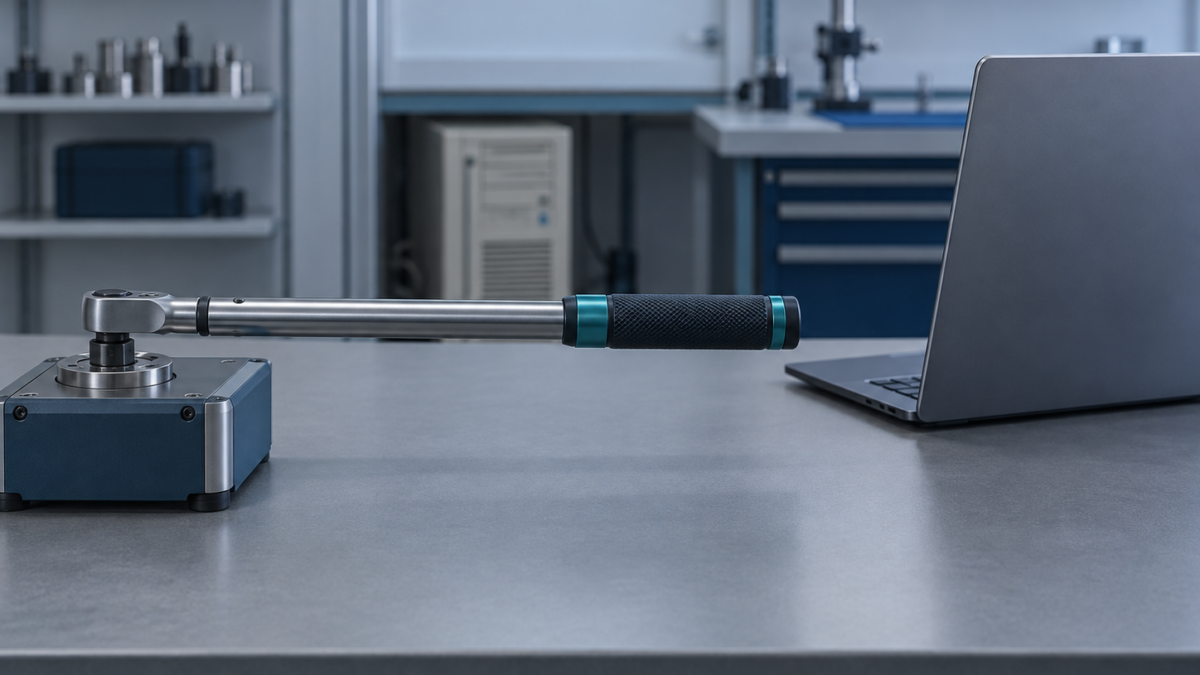
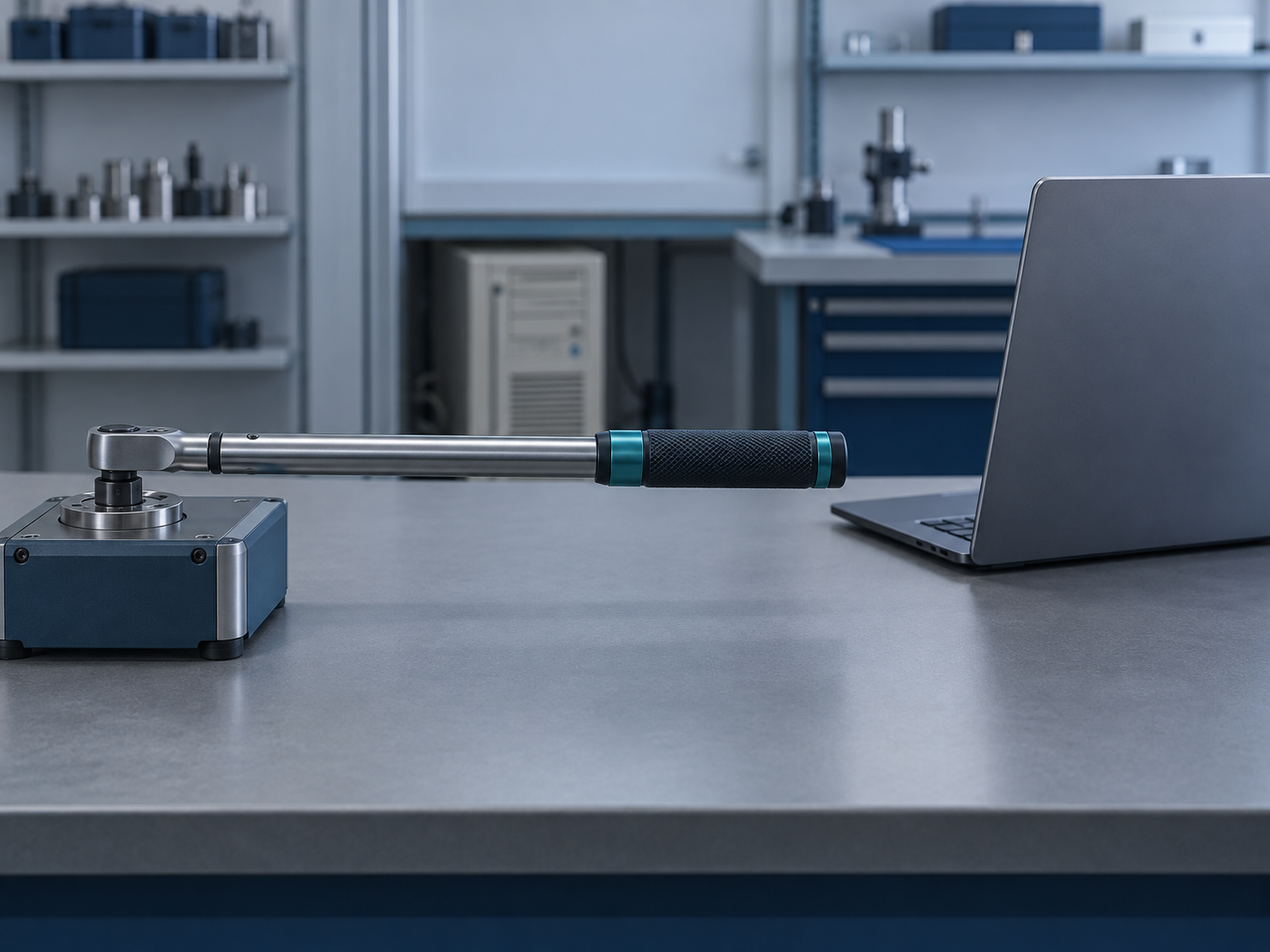
Take the wrench in the picture. The technician has recorded as-found values at 20%, 60% and 100% of range. Two points are inside tolerance, the 100% point is out. Adjustment is planned for Monday — the first day of the new system.
The tempting move is to migrate the as-found readings, then let the technician enter adjustment and as-left in the new system on Monday. Do not do this. You now have one calibration event whose evidence lives in two databases, with two audit trails, possibly two clocks, and an export transformation in between. ISO/IEC 17025 7.5 expects technical records to let the activity be repeated and to identify who did what and when; 7.11 expects data integrity across the systems that hold them. A split event makes both harder to demonstrate, and harder still if that out-of-tolerance as-found triggers a reverse-traceability investigation later.
The clean options are:
- Finish before freeze. Pull the adjustment forward to Friday and close the event in the old system. It migrates as a complete historical record.
- Void and restart. Record in the old system that the event was abandoned at cutover, with the as-found data retained there. In the new system, open a fresh event and take a new as-found. You lose nothing — the original as-found remains in the archived database — and the new event is complete on its own.
Option 2 costs one extra set of measurements. That is cheap compared with explaining a hybrid record to an assessor. Note that the out-of-tolerance as-found still has to drive your nonconforming-work process regardless of which option you pick; the cutover does not pause 7.10.
Instruments that are out of the building
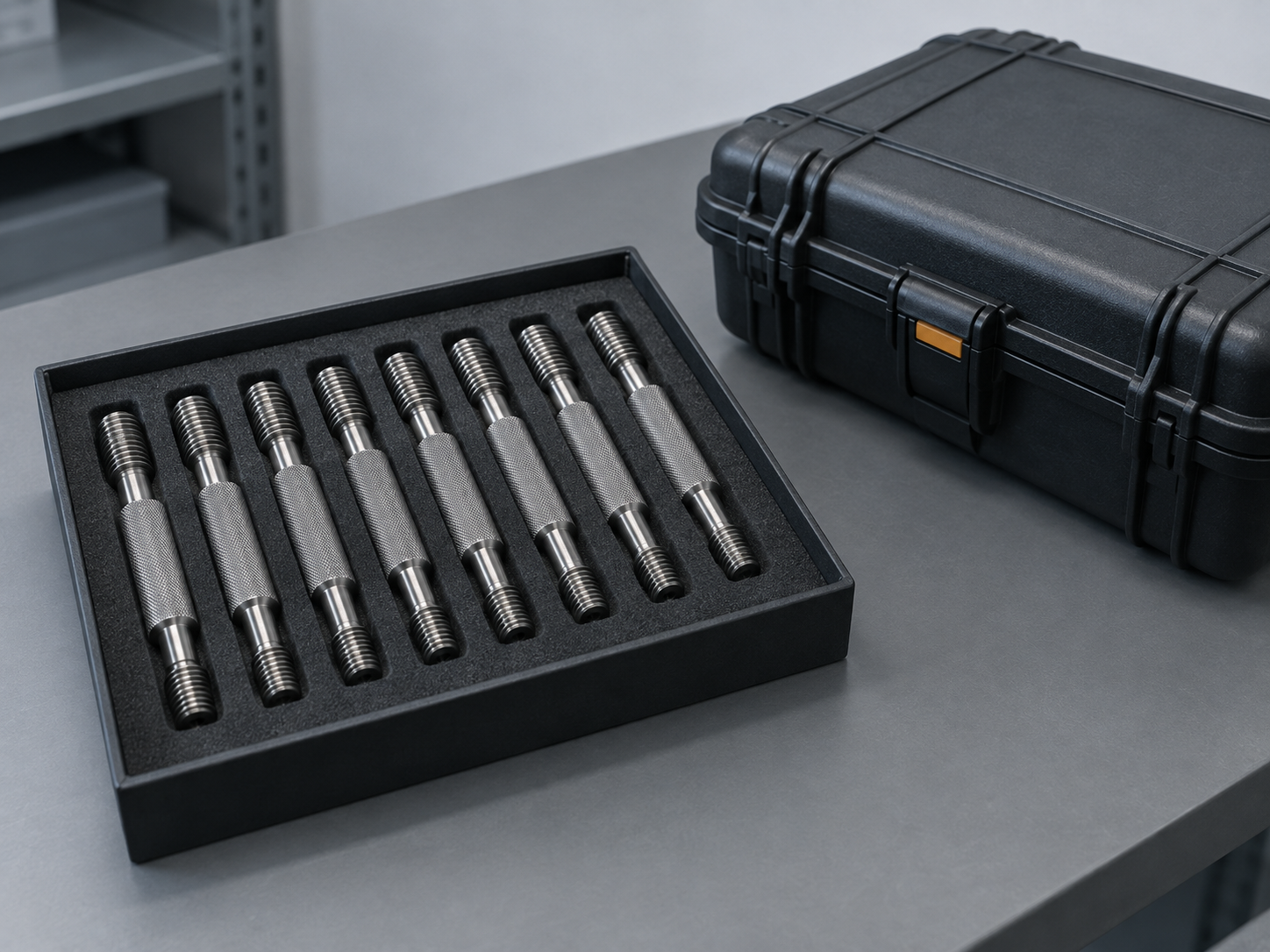
Items at an external provider are where custody gaps actually happen, because nobody is looking at them on cutover weekend. The rule is that the open order travels as an open order — not as "last calibrated" with a due date that will silently go overdue while the gauges sit in a courier van. When the tray comes back, it is received in the new system against the same asset IDs, and the external certificate is attached there.
Before freeze, export a list of everything shipped and not received, with provider, shipment date and expected return. After cutover, reconcile that list line by line on receipt. If a gauge comes back with a certificate showing an out-of-tolerance as-found, you will need the shipment record in the old system and the receipt in the new one to show the chain. Keep the old database readable for exactly this reason.
The shop floor: possession is a record too
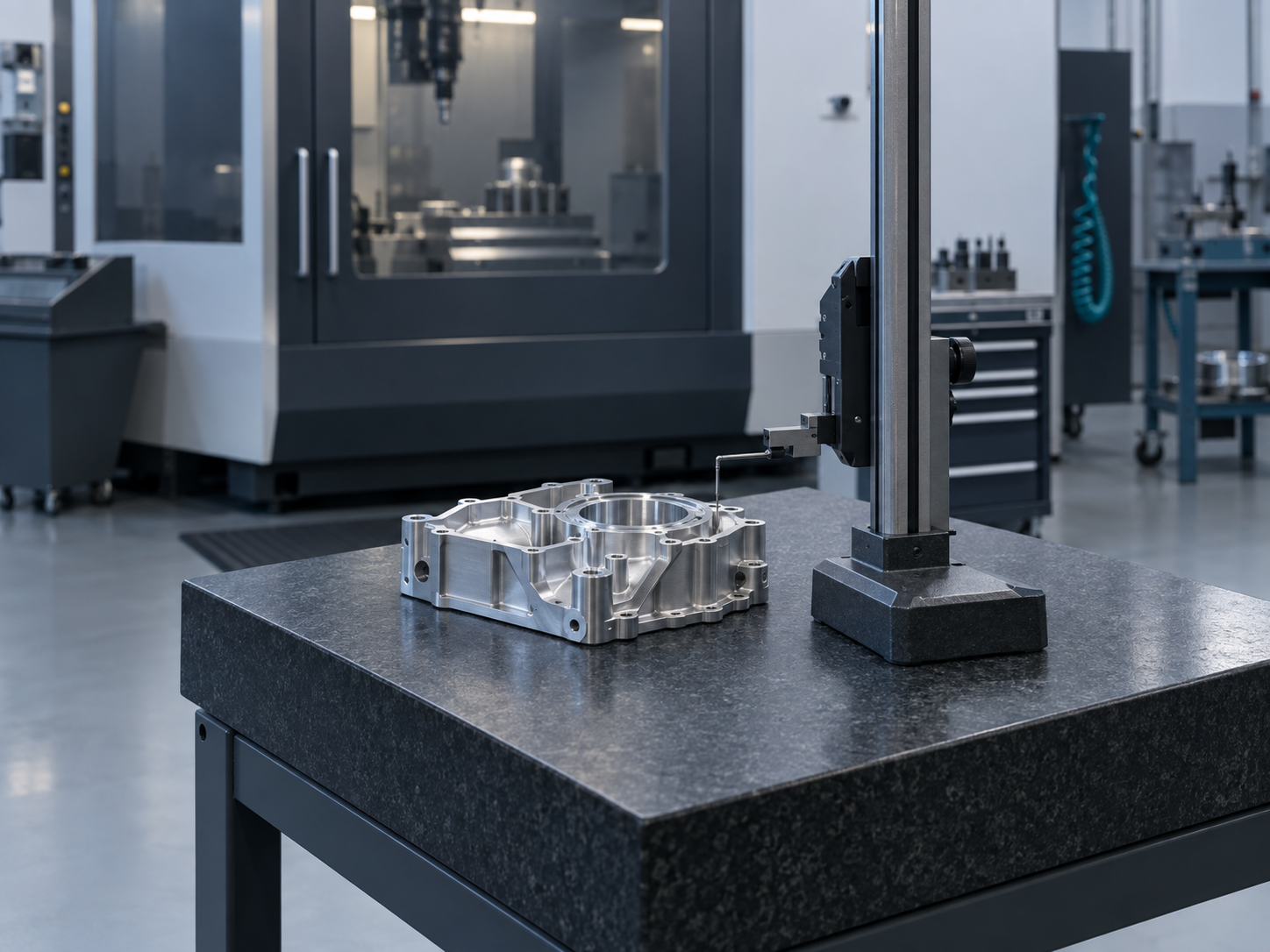
Allocated instruments are the easiest to forget, because nothing is "open" about them. But IATF 16949 7.1.5.2 and ISO 9001 7.1.5 both turn on knowing the status of measurement equipment in use, and AS9100 adds recall of equipment found unfit. If the new system’s possession history starts empty, the first audit question about who had that height gauge in December has no answer in the system of record.
So the last known allocation — user or location, and since when — should be migrated as the opening entry of the new audit trail, and verified physically. A walk-through of the shop floor in the final week, tagging each allocated instrument against the export, takes a few hours and closes the gap.
The objection: "Just finish everything before freeze"
It is a fair objection, and for a small lab with fifty assets it may be enough. Three reasons it usually is not:
- External turnaround is not yours to control. A provider quoting ten working days will not compress to meet your go-live.
- Production does not stop. Allocated instruments stay in use through year-end unless you shut down the plant.
- Stopping intake creates its own risk. If you refuse new work orders for two weeks, instruments go overdue — which is exactly the finding you were trying to avoid.
The four-state approach accepts that work is in flight and gives each item a rule. "Finish everything" is the right rule only for the first state.
A pre-freeze checklist
- [ ] Export all open work orders with status, technician and last action timestamp
- [ ] Classify each into one of the four states above
- [ ] Decide finish-or-void for every bench item; record the decision
- [ ] Stop new field check-outs one week before freeze; confirm all sync-backs
- [ ] Export shipped-not-received list for external providers
- [ ] Physically verify allocated instruments against the export
- [ ] Document the cutover rules in your change record and your 7.11 validation
- [ ] Keep the old database readable, with checksums of the final export, for your full retention period
Where PrüfDesk fits — and where it does not
PrüfDesk replaces the calibration management and records layer: instrument registration, auto-calculated due dates, as-found/as-left records with certificates, reusable procedure templates overridable per unit, check-out and allocation tracking with a full possession audit trail, configurable overdue blocking, and audit-ready PDF reports, with unlimited users. Plans are €49/month for up to 250 assets, €129 for 1,000 and €299 for unlimited. It does not execute automated MET/CAL procedures or drive calibrators; if your bench depends on those, keep that layer and plan accordingly.
If you are weighing this cutover for Q4, talk to us about a migration plan. We will start with your open work orders, not a sales deck.