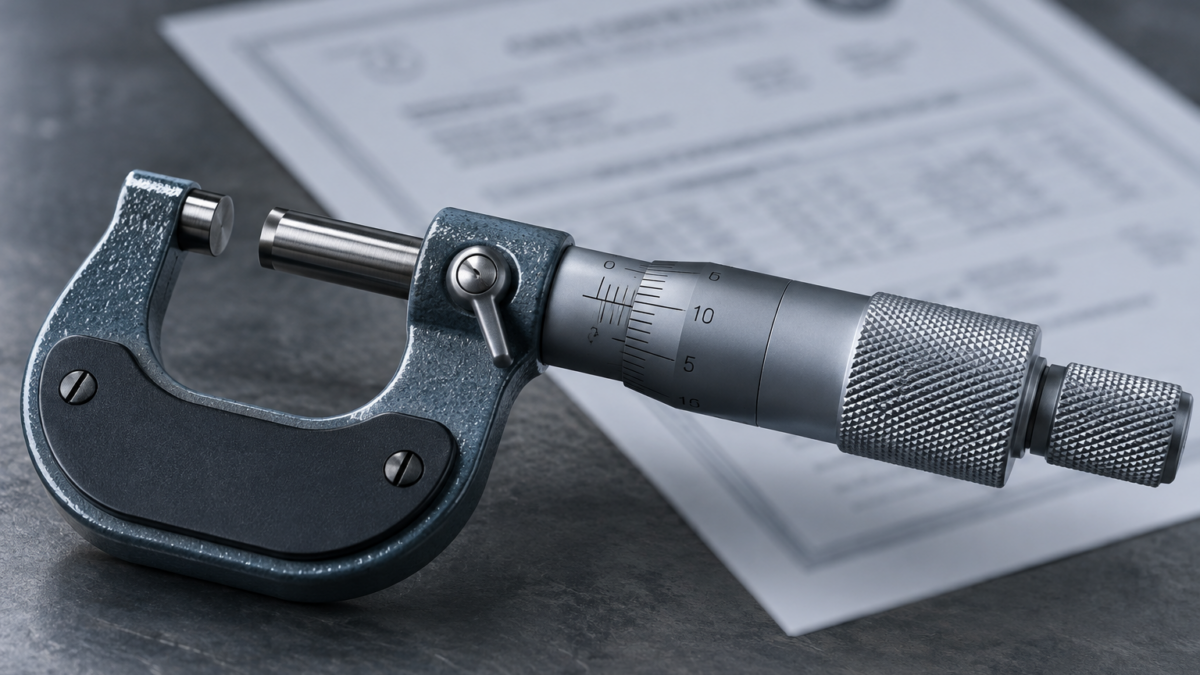
One Accredited Cal Cert, Accepted at Every EU Plant
Under the EA MLA, an ISO/IEC 17025 certificate from any EU lab is valid at every plant — if your register records the accreditation body behind it.
An auditor at your plant in Zaragoza picks up a micrometer, checks its calibration record, and sees the certificate was issued by a DAkkS-accredited laboratory in Baden-Württemberg. She pauses. "This was calibrated in Germany. Where is the Spanish certificate?" Your local technician doesn’t have a confident answer, so someone quietly books a re-calibration with a nearby lab "to be safe" — a cost, a week of downtime for the instrument, and a duplicate record that now contradicts the German one. Multiply that across four plants in three countries and you have a calibration program paying twice for the same measurement and still looking nervous in front of an auditor.
None of that re-work was necessary. And the reason is a piece of European infrastructure that most calibration registers were never designed to record.
The EA MLA already answers the auditor
The European co-operation for Accreditation (EA) operates a Multilateral Agreement — the EA MLA — signed by the national accreditation bodies of the member states: DAkkS in Germany, ENAC in Spain, COFRAC in France, ACCREDIA in Italy, and their counterparts across the EU and EFTA. Under that agreement the signatories have peer-evaluated each other against ISO/IEC 17017 and confirmed that they each run accreditation to the same standard. The practical consequence is the principle the whole system exists to deliver: accredited once, accepted everywhere.
A calibration certificate issued under ISO/IEC 17025 by a lab accredited by any EA MLA signatory is, by design, recognised as equivalent in every other signatory country. The DAkkS certificate on that micrometer is not a "German" certificate that needs a Spanish twin. It is an accredited certificate, and ENAC — the Spanish signatory — has already agreed, in writing and through peer evaluation, to recognise it. The EA MLA also feeds the global ILAC MRA, so the same logic extends well beyond the EU. Re-calibrating an in-tolerance instrument purely because it crossed a border is not caution; it is spending money to solve a problem the accreditation system already solved.
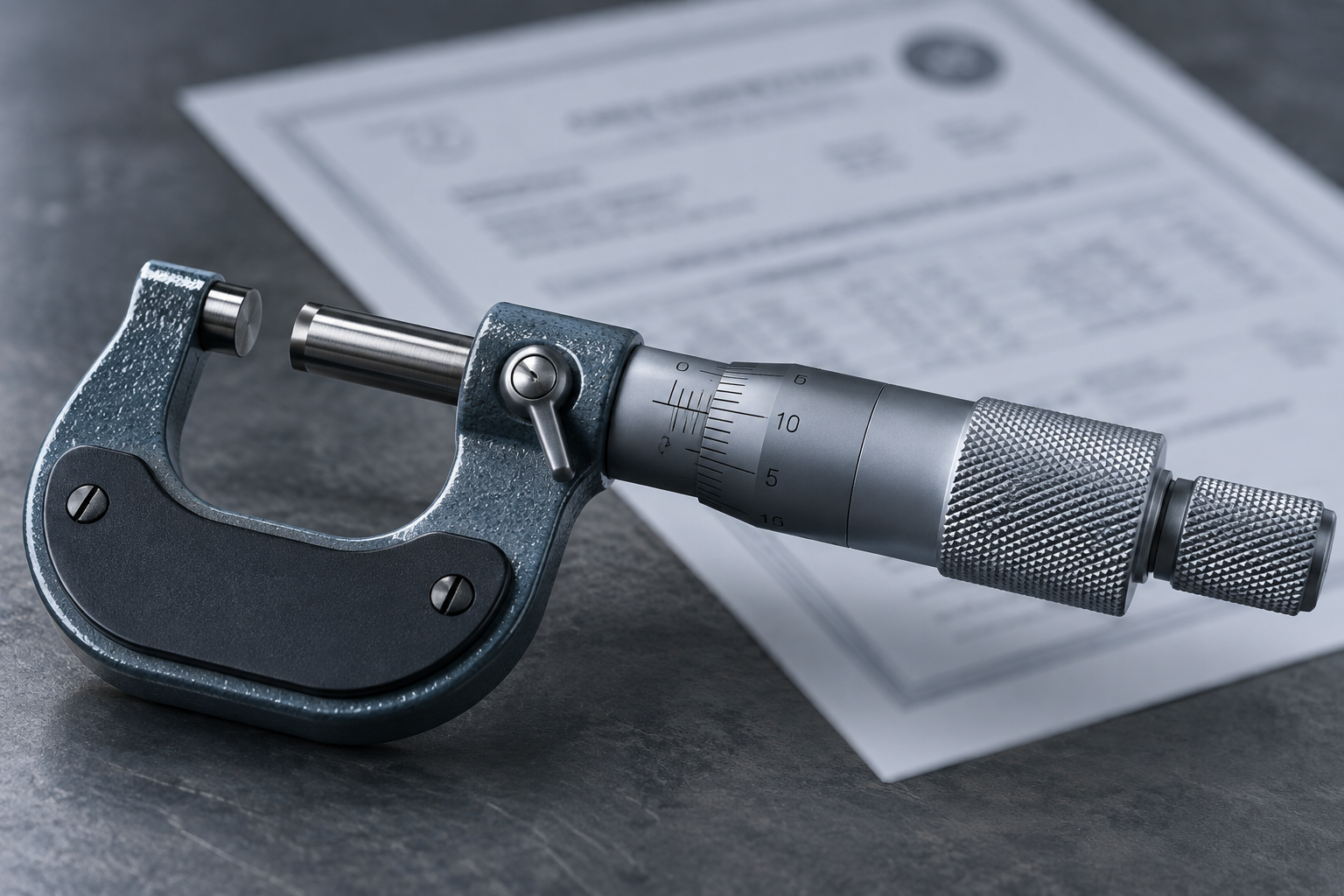
The real gap is not recognition — it’s evidence
So why does the auditor still hesitate, and why does the technician still cave? Because recognition under the EA MLA is conditional, and the condition is exactly what most registers fail to capture.
Mutual recognition applies only to certificates that are genuinely accredited: issued by an accredited laboratory, for a measurement that falls within that laboratory’s accredited scope, and carrying the accreditation body’s symbol and registration number. This matters because not every certificate a lab hands you is an accredited one. A lab holding accreditation for length measurement may issue a perfectly traceable certificate for a torque wrench that sits outside its accredited scope — a legitimate document, but not one covered by the EA MLA. A certificate with no accreditation mark at all is a supplier’s word, not a peer-evaluated guarantee.
The auditor’s real question, therefore, is never "which country?" It is "prove this certificate is accredited, and that this specific measurement was within scope." If your register stores only calibrated 2026-03-01 — pass, you cannot answer. You have thrown away the one attribute — the accreditation behind the certificate — that makes the EA MLA usable. The hesitation, the re-cal, the duplicate record: all of it is the cost of a missing field.
Record the body behind every certificate
The fix is unglamorous and decisive. For every externally calibrated instrument, the register should capture, alongside the due date and the as-found/as-left values:
- the accreditation body (DAkkS, ENAC, COFRAC, ACCREDIA…) and its accreditation registration number for the issuing lab;
- confirmation that the measured quantity and range fall within the lab’s accredited scope;
- the certificate identifier and the date, linked to the stored PDF.
With those attributes on the record, the Zaragoza conversation ends in ten seconds: the certificate is DAkkS-accredited, number on file, the length measurement is within scope, recognised across the EA MLA. No re-calibration, no duplicate, no downtime.
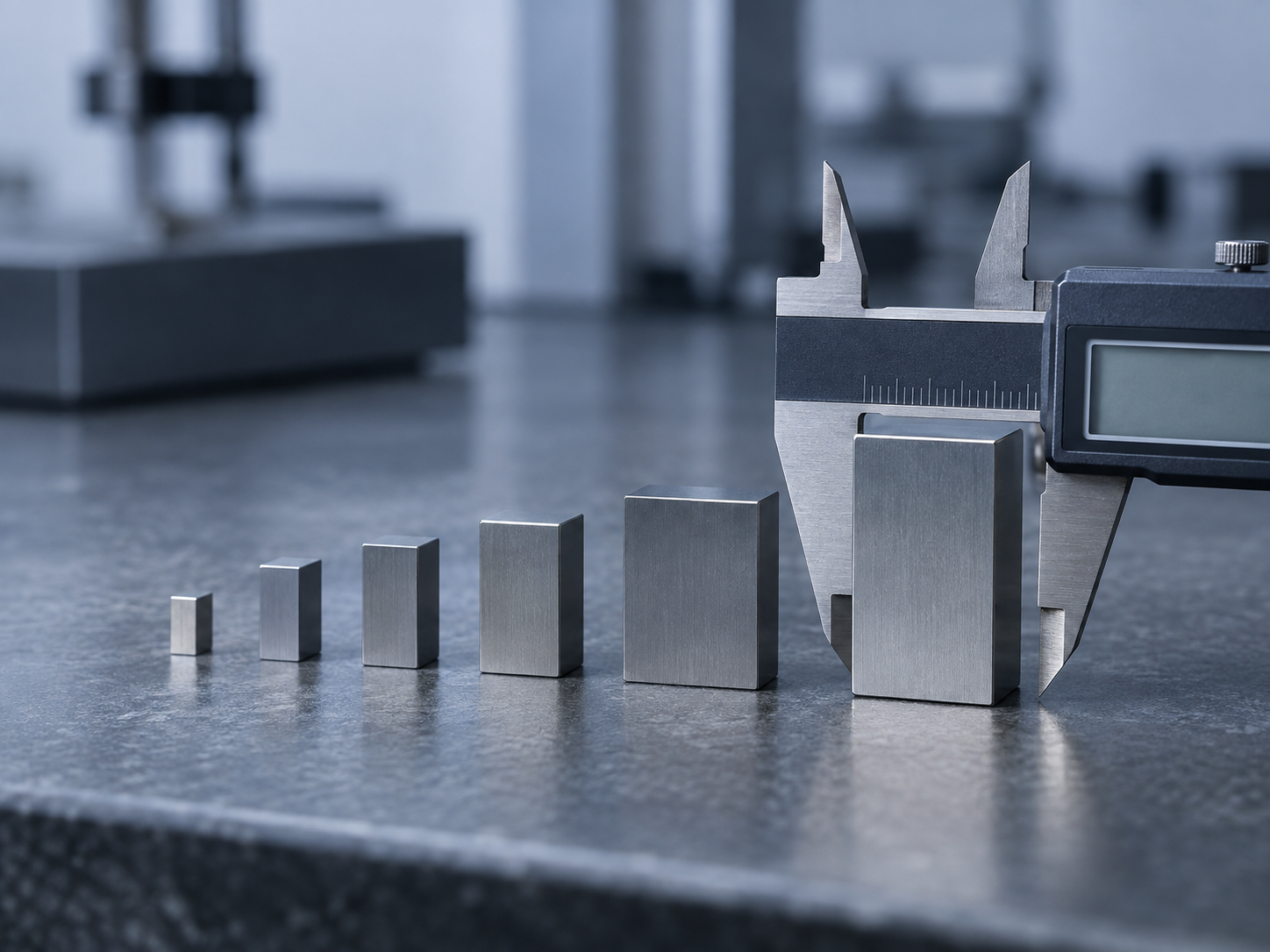
Worked example: one micrometer, four plants
Consider a 0–25 mm micrometer, asset MMR-0142, calibrated by a DAkkS-accredited lab, then allocated in turn to plants in Stuttgart, Porto, Zaragoza and Brno. Under a fragmented, per-site filing model, each site keeps its own binder. Porto cannot see that Stuttgart already holds the accredited certificate; Zaragoza re-books a local cal; Brno’s binder shows a gap because the certificate never physically travelled with the instrument. Four sites, four versions of the truth, three of them wrong.
Under a single register that records the accreditation body, MMR-0142 has one calibration record. Every site sees the same certificate, the same DAkkS accreditation number, the same due date, the same "within scope" flag, and the same PDF. When the instrument moves, its custody trail moves with it, but its calibration evidence never fragments. That is the difference between a program that has certificates and one that can defend them.
The objection worth taking seriously
"Our customer’s supplier auditor still insists on a local lab." Sometimes true — and worth handling honestly. But press on what the auditor is actually protecting, and it is almost always measurement competence and traceability, not a postcode. The accreditation body and scope are that competence evidence; they are the reason the EA MLA exists. When you can produce the accreditation number and the scope confirmation on demand, the "local lab" request usually dissolves into "show me the accreditation" — which you now can. Where a specific contract genuinely mandates a national lab, that is a documented customer-specific requirement, not a reason to duplicate every certificate across every border by default.
The takeaway
Add one attribute to your calibration register: the accreditation body and registration number behind each external certificate, plus a within-scope confirmation. It converts the EA MLA from a treaty you’ve heard of into an auditable fact your team can produce in seconds, and it stops the reflexive re-calibration that quietly drains multi-site budgets.
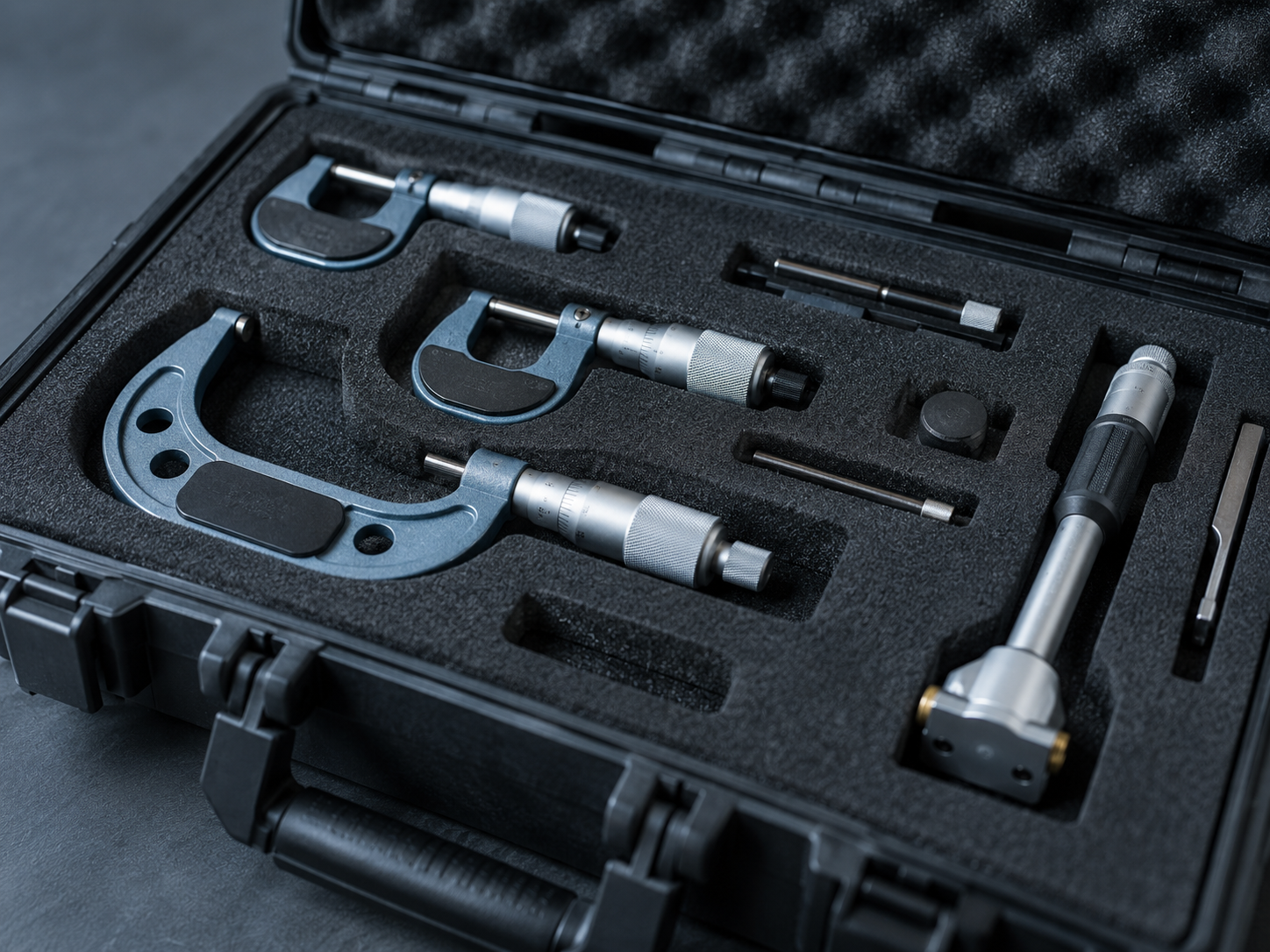
PrüfDesk was built for exactly this European reality. Each calibration record carries the accreditation body behind its certificate, holds the certificate PDF, and rolls up across every plant into one EU-hosted source of truth — so an accredited certificate issued once is visible, defensible, and audit-ready at every site it travels to, under ISO/IEC 17025, ISO 9001, IATF 16949 and AS9100 alike.