Not Your Gauge, Still Your Audit Finding
A customer's wrench, a loaner micrometer, an employee's caliper — if it verifies your product, IATF 16949 7.1.5 makes it your audit finding, not theirs.
Not Your Gauge, Still Your Audit Finding
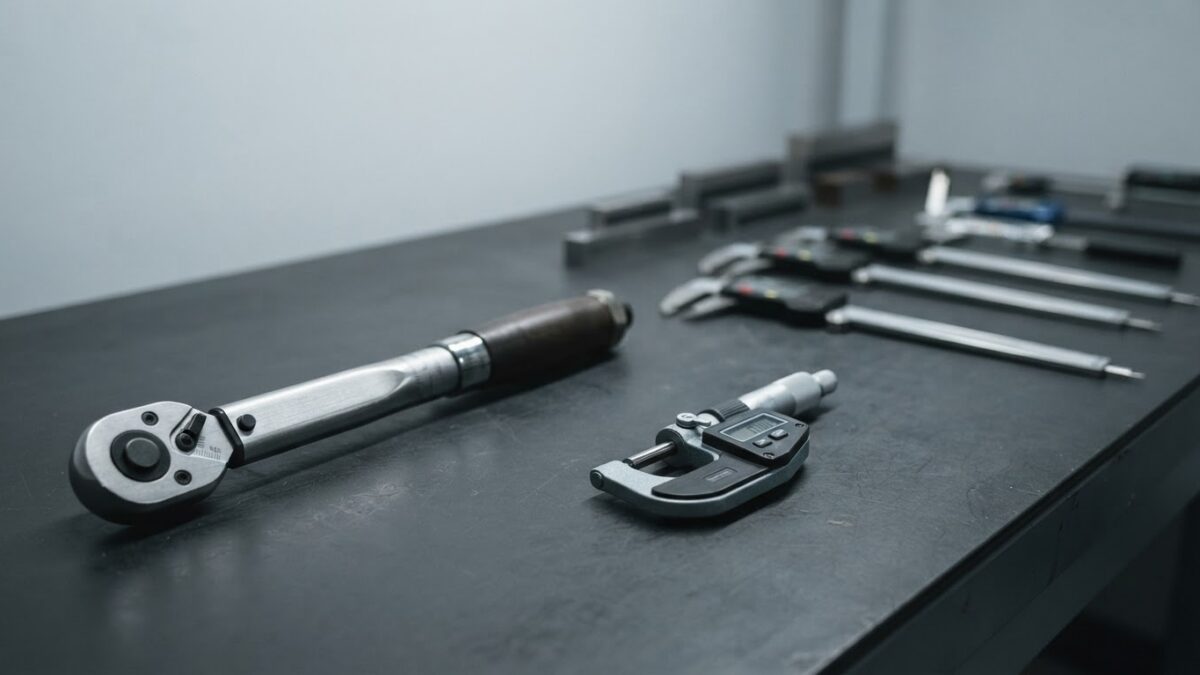
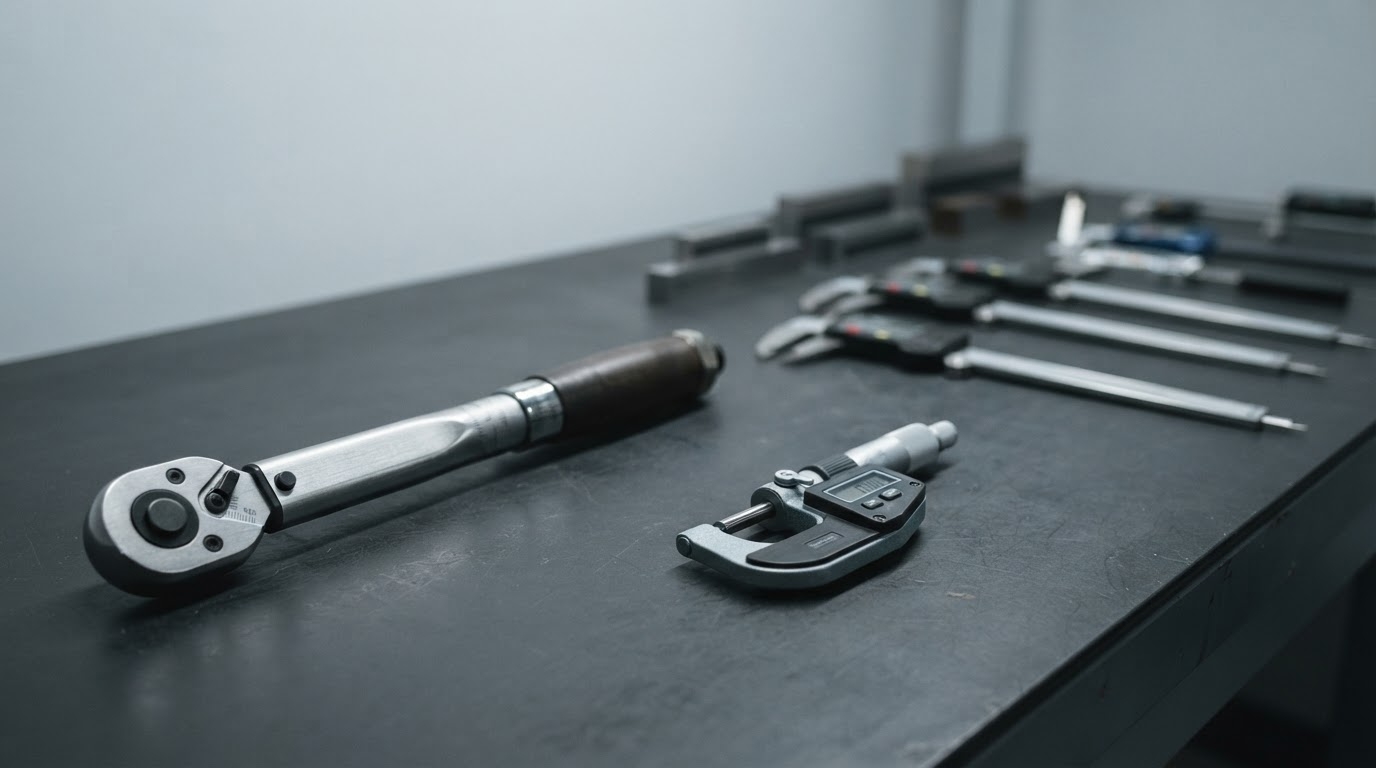
The finding that stopped Mara’s surveillance audit was a torque wrench she had never registered. It belonged to the customer. It had arrived with a fixture six months earlier so her line could verify a bolted joint to the customer’s own spec, and everyone on the floor treated it as the customer’s problem to calibrate. The auditor did not see it that way. He saw a device being used to accept product, he asked for its calibration record, and there wasn’t one. It went into the report as a nonconformity against clause 7.1.5 — not because the wrench was out of tolerance, but because Mara’s quality system had no evidence it was ever in tolerance during the six months it had been signing off parts.
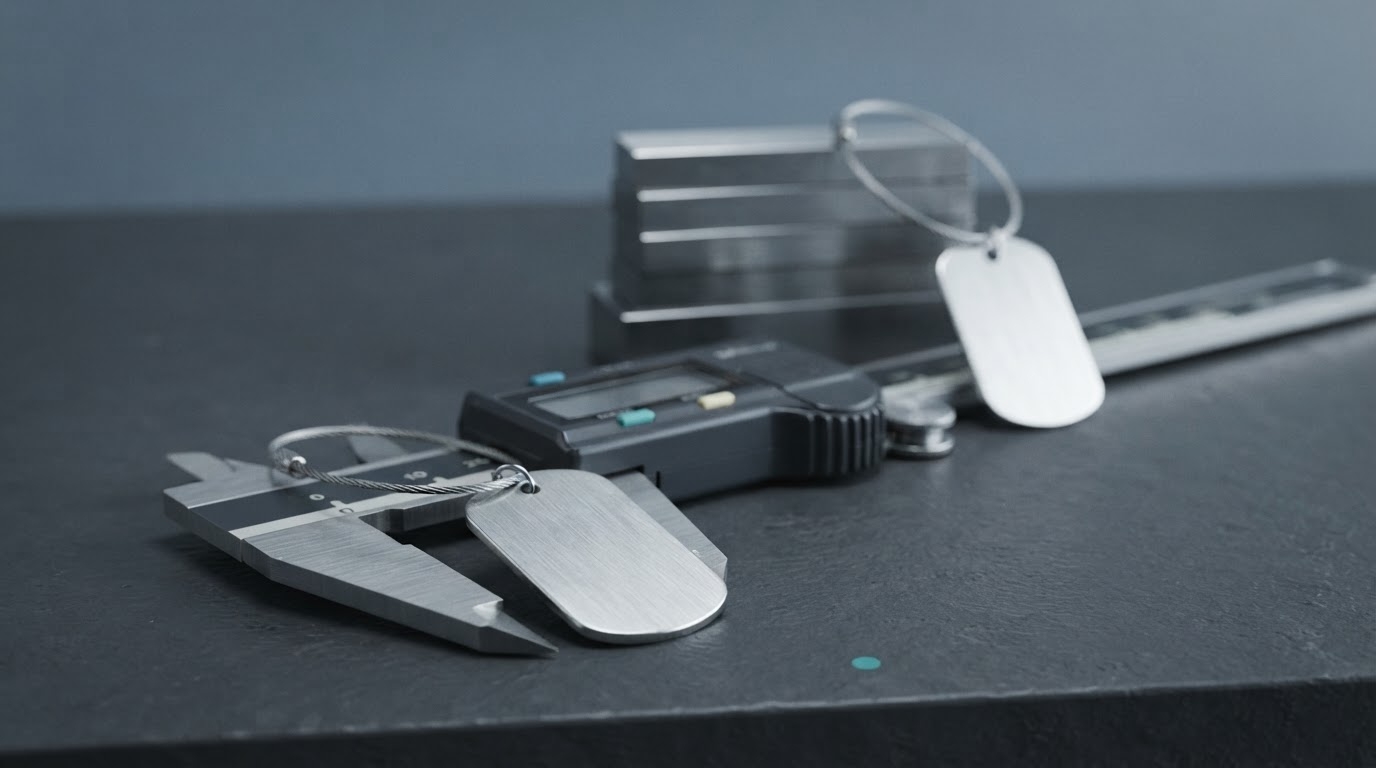
If you run a calibration program, you already control the instruments you bought. The exposure is almost always the instruments you didn’t: the customer’s gauge, the supplier’s loaner, the contractor’s caliper, the micrometer an experienced operator brought from home because he trusts it more than the shared set. They do the same job as your assets, they carry the same audit weight, and they are the ones missing from the register.
Ownership is not the test the standard applies
The instinct — "we don’t own it, so it isn’t on our register" — feels reasonable and is exactly backwards. ISO 9001:2015 clause 7.1.5 requires the organization to determine and provide the monitoring and measuring resources needed to verify conformity, and to ensure they are suitable and maintained. IATF 16949:2016 sharpens this in 7.1.5.1.1 and 7.1.5.2 for the automotive sector, and the wording is deliberately possession-agnostic. The clause talks about the equipment used to verify product conformity. It does not carve out an exemption for equipment owned by the customer, the supplier, or the employee. AS9100D applies the same logic in aerospace, and ISO/IEC 17025 labs face it too when a client-owned artifact is used in a result.
Read it that way and the boundary becomes obvious. The control obligation follows use, not the invoice. The moment a device is used to make a pass/fail decision on your product, it is a monitoring and measuring resource within your quality system, and your system owes it a documented status: identification, a defined calibration frequency, a valid calibration record with traceability to a national standard, and a defined response when it goes overdue or out of tolerance. Whose asset tag is on the side is irrelevant to the auditor writing the finding.
Why this one hides so well
Three things make possession-agnostic control the blind spot it is.
First, these instruments arrive through the back door. A customer-owned gauge comes bundled with a returnable fixture. A loaner shows up because your own unit is away at the cal lab. An employee’s personal caliper never arrives at all — it was simply always in a drawer. None of them pass through the purchasing-and-receiving path that normally triggers registration.
Second, the calibration certificate — if one exists — lives with the owner, not with you. A customer may calibrate their wrench on their own schedule and never send you the certificate. Without a copy on your record, you cannot demonstrate the instrument was in tolerance across the period it was accepting your parts. "They calibrate it" is a belief, not evidence.
Third, ownership genuinely complicates the action. You may not be permitted to adjust or recalibrate a customer’s instrument, and you may not know its history before it reached you. That is a real constraint — but it changes what control looks like, not whether control is required. You can register it, demand and file the current certificate, set a due date, and block its use when that date passes. What you cannot do is leave it off the books.
A worked example
Take Mara’s torque wrench. Under a possession-agnostic model, the day it arrives it gets a register entry: instrument type, serial number, owner recorded as the customer, and a note that adjustment is not authorized without customer approval. The current calibration certificate is requested and filed against the record; its expiry drives an auto-calculated due date. From that point the wrench is treated exactly like an owned asset in every respect that matters to an auditor — except the "owner" field, which is doing real work by telling the technician what they may and may not do to it.
Now the overdue case. Say the customer’s certificate lapses and no replacement arrives. Instead of the wrench quietly continuing to accept joints, its status flips to overdue and its use is blocked at check-out. The operator can’t sign it out; the manager sees an overdue item attributed to a customer-owned instrument and chases the certificate. When the surveillance auditor asks the same question he asked Mara — "show me the calibration status of everything used to accept this part" — the answer is a report, not a silence.
What the system has to do
Controlling equipment you don’t own is a data problem before it is a metrology problem. A capable system needs to:
- Register any instrument regardless of ownership, with an explicit owner or source field (owned, customer, supplier, loaner, employee) so possession is recorded rather than assumed.
- Auto-calculate the calibration due date from the certificate on file, so a borrowed instrument’s clock runs the same as an owned one’s.
- Hold the certificate on the record — the pass/fail result and the PDF — so you can prove in-tolerance status for the exact period the instrument was in your process, not just today.
- Block overdue use, configurably — a hard block that stops check-out, or a soft warning per your risk appetite — so an expired loaner cannot silently keep accepting product.
- Keep a possession audit trail of every check-out, return, and permanent allocation, so location and custody are provable across the instrument’s time with you.
- Produce an audit-ready report that lists every controlled instrument and its status without regard to who owns it — the single document that answers the auditor’s question in one pass.
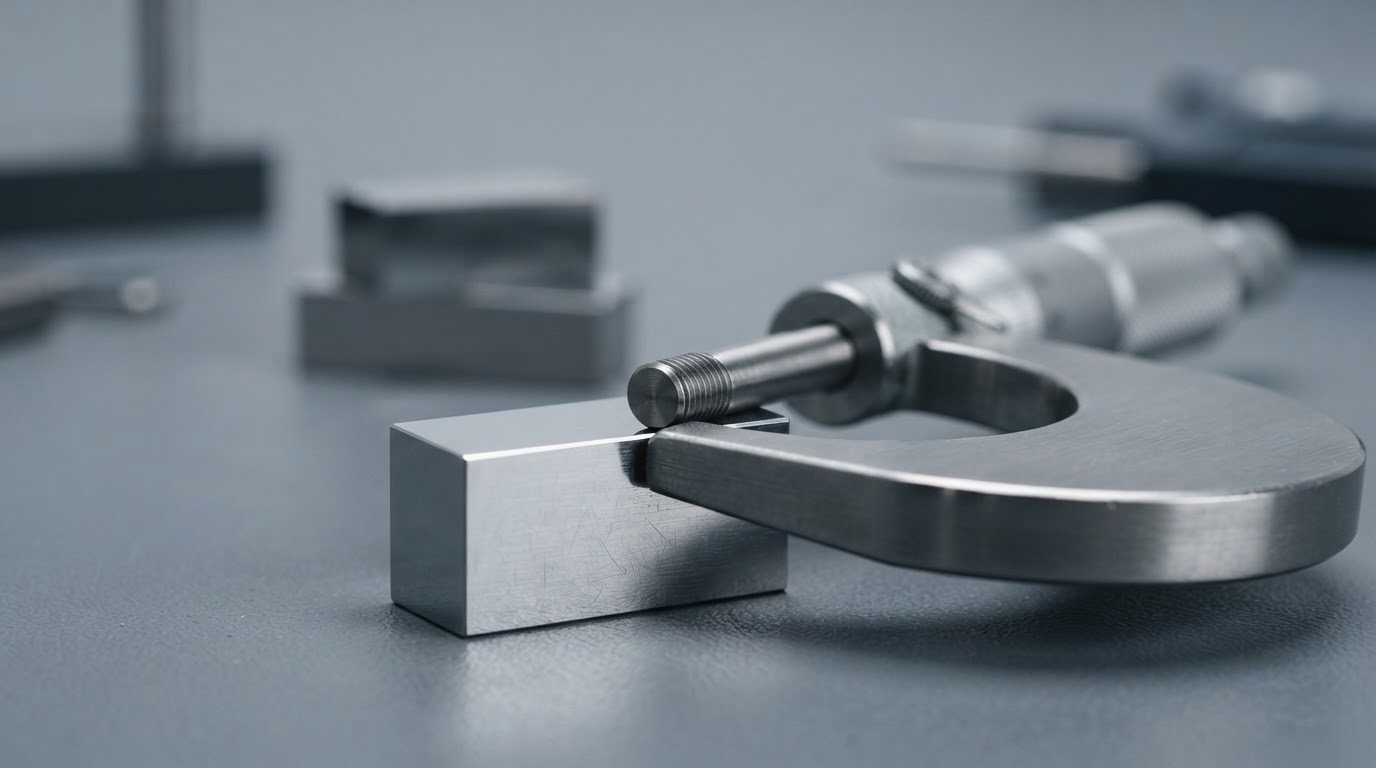
This is the shape of what PrüfDesk is built to do. Instruments — micrometers, calipers, gauges, torque wrenches — are registered with an ownership attribute, so a customer’s wrench and a loaner micrometer sit on the same register as your own set. Due dates are auto-calculated, certificates and pass/fail records live on the instrument’s history, and overdue blocking is configurable per tenant so one site can hard-block a lapsed loaner while another runs a soft warning. Check-outs and permanent allocations are tracked with a full possession trail, and the compliance report renders as an audit-ready PDF that includes every controlled item, owned or not. Reusable calibration procedure templates let you apply the same method across every wrench of a type while overriding the steps for a single borrowed unit that behaves differently.
A short check for your next audit
Before your Q4 surveillance visit, walk the floor and ask of every measuring device you touch:
- Is it on the register — even though we don’t own it?
- Do we hold a current, traceable calibration certificate for it?
- Does it have a due date, and does something stop its use when that date passes?
- Can we show where it has been and who has had it?
- If the auditor pointed at it right now, could we produce its status in one report?
Any "no" is a finding waiting to be written. The wrench that stopped Mara’s audit failed the first question, and the first question was the only one that mattered.
Close
Possession-agnostic control isn’t a heavier program — it’s the same program applied to a wider set. The instruments you don’t own are already in your process making accept/reject decisions; the only question is whether your evidence covers them. If you’d like to see how an instrument register handles a customer-owned wrench or a loaner micrometer the same way it handles your own set — ownership recorded, due dates calculated, overdue use blocked, certificate on file — that’s exactly the scenario PrüfDesk was built for, and it’s worth a look before the next auditor points at the one gauge that isn’t yours.